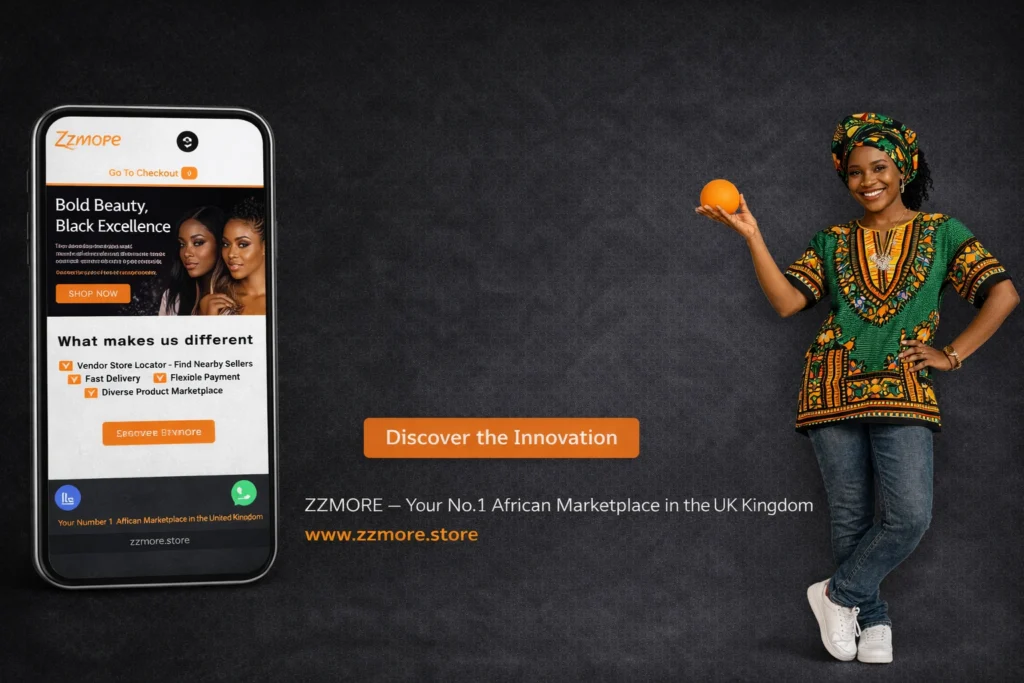
How to Make a Powerful First Impression with a Digital Brand Identity for SMEs or Startups
A potential customer visits your website, scrolls through your social media, or reads your email for the first time. Within seven seconds, they have already formed an opinion about your business. That is the reality of doing business in the digital era, you get only one shot at creating a lasting first impression, and that boils down to your brand identity. As a founder, you might think that branding is something only big businesses with massive marketing budgets need to worry about. But here’s the thing: great brand identity for SMEs isn’t a luxury, it’s your ticket to playing on an even level with already established brands and building real relationships with your customers. If you have a startup or small business, you probably wear many hats on a daily basis. Between keeping operations up and running, providing customer service, and trying to grow your revenue, branding can get pushed to the back burner as something you’ll do “when you have more time or money.” But let me ask you: what if building your online brand identity was the difference between your customers choosing you or your competition? In this post, I’ll walk you through step-by-step just how to create a powerful brand presence like we do at ZZMore. You’ll discover actionable advice on how to build trust, cut through crowded markets, and turn first-time visitors into loyal customers, all while working within the real-world constraints every SME founder knows too well. Understanding Brand Identity When we’re talking about brand identity definition, we’re referring to the collection of visual and verbal elements that represent your company to the world. Think of it as your business’s personality revealing itself. It’s not just your logo (although it’s important), it includes your colours, fonts, imagery, tone of voice, and the overall feeling people have after they’ve interacted with your brand. Here’s where many founders get confused: brand identity vs visual identity. Your visual identity is the “look” part – logos, colours, typography, and design elements. But your brand identity is far more comprehensive. It’s the overall experience one has with your company, from how you communicate to what you stand for to the emotions you evoke. Your visual identity is just one piece of the larger branding puzzle. The brand identity meaning for small business especially matters because you need to work that much harder to establish trust and credibility. While your company name is not yet known to customers, your brand identity does the work. It tells them whether you’re professional, credible, and worth paying attention to, before they’ve even read your product description or met your team. Why is this so crucial to your startup or SME? You are not like established companies with reputation and word-of-mouth to rely on, you’re starting from ground zero. Your brand identity is your first employee, it’s out there working 24/7 to introduce itself, build relationships, and convince people to give you a chance. Strong brand identity provides you with a level playing field, and your small business looks and feels every bit as professional as companies ten times your size. The Strategy Behind Great Branding Before you go into choosing colors or logo design, you need to get your strategy and brand identity nailed down. This is where developing brand identity for small businesses gets real and where most entrepreneurs wish to skip to the “fun” design aspects. But trust me, skipping over this step is like building a house without a foundation. Start with your mission and values. What problems do you solve? Why do you exist as a company aside from generating money? Your answers make up the pillars of your brand identity framework. For example, if you are building a productivity app for working parents, your mission might be “helping families reclaim time for what matters most.” This mission should guide every branding decision that you make Second, get crystal clear about your target audience. Who are you actually serving? Create detailed profiles of your ideal customers, not basics like age and income, but their struggles, motivations and daily challenges. Having knowledge about your audience is crucial for developing branding elements that address them. A brand that aims to serve busy executives will be very different from a brand that aims to serve creative freelancers. Your unique value proposition is what makes you stand out. This is not “what you do” – it’s why customers should choose you over anyone else. You might be faster, more humane, less expensive, or you solve a problem in a completely new way. Your brand identity should make this clear difference immediately apparent. Finally, define your brand personality. If your company were human, what would their personality be? A friendly and courteous person? A stern and dependable person? An innovative and adventurous person? Your brand personality determines everything from your visual identity to how you interact with customer emails. This personality is the foundation upon which brand equity is established, the value customers assign to your name and reputation. Common Pitfalls Every Founder Should Avoid However much you think about it, it’s always easy to get it wrong when creating your brand identity. Here are the most common traps I see SME founders falling into and how to steer clear of them. Inconsistency is the biggest brand killer. Having different colors on your website vs. your social media, or switching between formal and informal tone randomly, confuses customers and waters down your brand identity. Every touchpoint must seem like it is from the same business. Brand identity guidelines are so important because they keep you consistent even when you’re busy or working with different team members. Don’t chase every design trend. Your brand must feel new, yes, but jumping onto every hot new design trend makes you look like you have no sense of who you are. Keep your eye on timeless design principles and only introduce trends that truly fit into your brand personality. Your goal is to build recognition, and recognition takes